Where Is the Vulnpocalypse? A Referee's Card for the [un]prompted II Debate
By Mara Voss · October 23, 2026
Category: ai-security-conferences
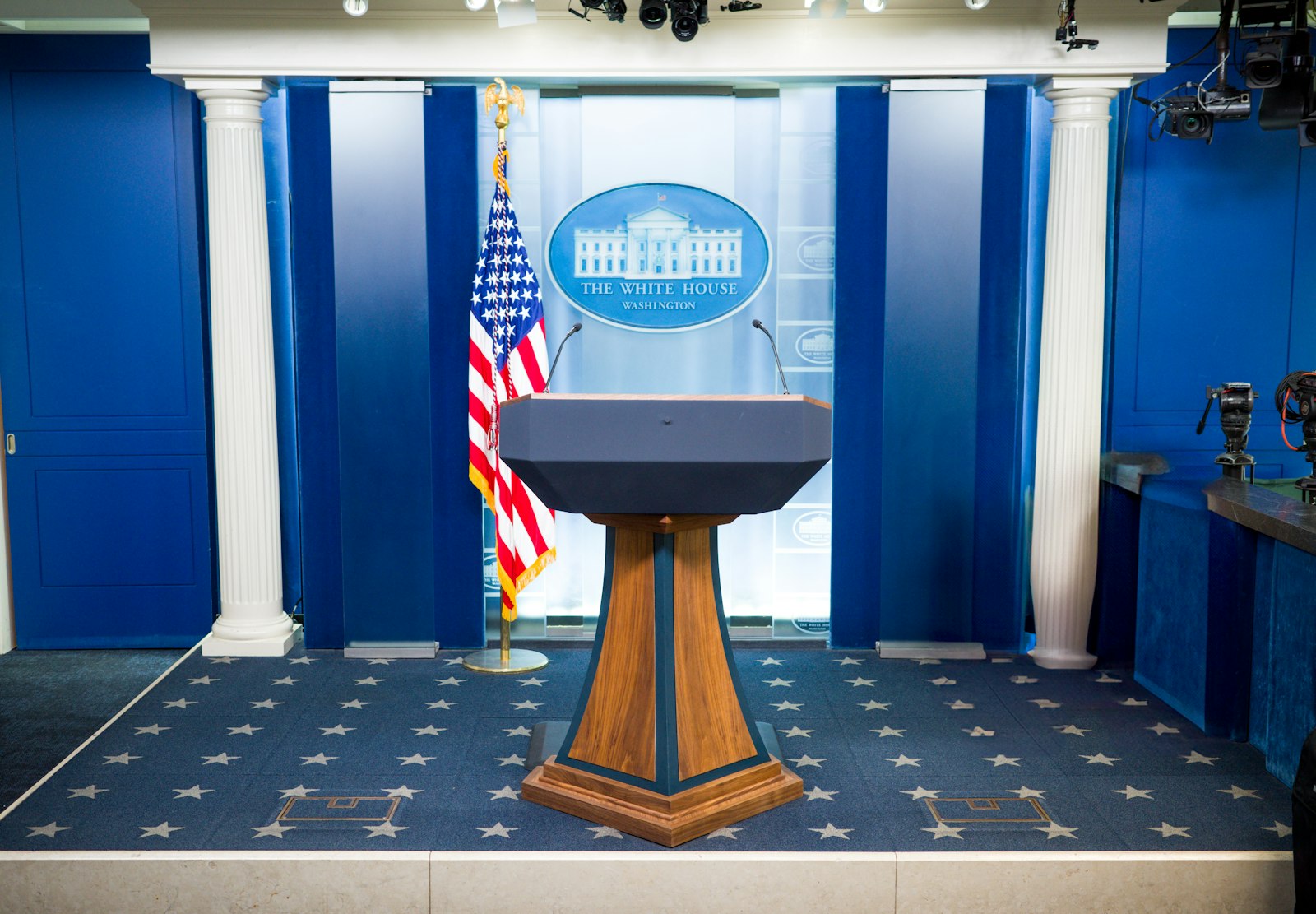
Sergej Epp and Jeremiah Grossman debate the resolution that AI noise hasn't moved the needle on current cyber risk. We build the strongest honest case for each side using only figures from the published agenda, and name the evidence that would settle it. No verdict.
Key takeaways
The problem The formal resolution is "Resolved, that AI noise hasn't moved the needle on current cyber risk", debated by Sergej Epp and Jeremiah Grossman on Day 1, Stage 1 at 17:10; the agenda does not say who takes which side.
Core insight The case that it moved rests on Dolan-Gavitt's six-day $250,000 Chrome chain, Eyal Sela's fully autonomous campaign in the wild, and a red agent running 10 kill-chain phases in about 45 minutes at roughly 77% verified success. The case that it has not rests on Heldt's 12 working exploits against 0 accepted patches, StealthBench's 53.8% safe-success ceiling, Meta's unchanged time-to-fix despite over 40% of criticals fixed by AI diffs, and Herbert-Voss separating alarming demos from real harm.
Practical outcome The sides measure different objects - attacker capability versus realised risk - so the debate only ends if both agree in advance on a defender-side metric such as time from disclosure to exploitation or patch acceptance rate.
“Resolved, that AI noise hasn't moved the needle on current cyber risk.” That is the formal resolution of the closing debate on day one of [un]prompted II — most people type it unprompted — and it is the only session on the agenda designed to produce disagreement rather than a finding. This page is a referee's card, not a verdict: the strongest honest case for each side, built only from figures published on the same agenda. Our guide to the conference covers the rest of the programme.
The session is Debate: Where is the vulnpocalypse?, with Sergej Epp (infosec and threat research; created the Zero Day Clock) and Jeremiah Grossman (founder, WhiteHat Security; CEO, Root Evidence), Day 1, Stage 1, 17:10, per the official agenda as published on 2026-10-12. The agenda does not say who argues which side, so we do not guess. We wrote this from the published agenda and the published abstracts of the sessions it draws on, before the debate. We are independent coverage — not the organiser, not a sponsor, not a media partner — and we are following the conference remotely. Nothing here is a quote.
The case that the needle has moved, from the unprompted agenda itself
Brendan Dolan-Gavitt (Distinguished Engineer, XBOW) presents two full-chain Chrome exploits submitted to Google's VRP. The first was largely human, took two months, and collided with an internal bug. The second took six days with AI agents in a structured campaign with backup candidates, and earned $250,000. Same team, same target class, an order-of-magnitude change in calendar time.
Eyal Sela (Director of Threat Intelligence, Gambit Security) describes a large criminal campaign in which an open-weight model and an open-source harness autonomously carried out intrusions across many companies. This is the only item in the set that is an outcome in the wild rather than a measured capability, which makes it the heaviest exhibit on the card.
Fatih Bulut (Microsoft) and Anjali Mangal report a fully automated purple-team loop in which the red agent completed 10 phases in about 45 minutes with roughly 77% verified success against a Scattered Spider kill chain. Not a single clever exploit — a whole chain, repeatable, at a cost that changes who can run one.
The case that it has not
Four sessions supply the negative evidence. The pattern across them: capability moved, defender-side outcomes did not.
Tobias Heldt (Co-Founder and CEO, XOR) ran frontier agents against his own privately disclosed zero-days plus 209 known vulnerabilities. Of 54 attempts on the zero-days: 12 working exploits, 0 accepted patches. The second number is the one that belongs in this debate.
David Molnar (Meta) reports about 90% coverage on targets and over 40% of critical vulnerabilities fixed by AI-written diffs — and that faster fixes did not automatically shorten time-to-fix. The constraint was never the writing.
Adrian Wood (Security Engineer, Dropbox) and Ads Dawson (Staff AI Security Researcher, Dreadnode; founder, OWASP GenAI Security Project) report that across 771 trajectories and 8 models, no model exceeded a 53.8% safe-success rate on StealthBench. An attacker who finishes half the time and gets noticed is not the apocalypse.
Ari Herbert-Voss (RunSybil) draws on red-teaming GPT-3 and Codex to separate alarming demos from real harm, and puts the weight on the harness — the structural version of the negative case: capability is cheap, delivery is not.
The card
| Exhibit | Figure | Which side it serves |
|---|---|---|
| Dolan-Gavitt, Chrome full chain | 6 days, $250,000, versus two human months | Moved |
| Sela, autonomous campaign in the wild | Open-weight model and open-source harness, many companies | Moved |
| Bulut and Mangal, purple-team loop | 10 phases, ~45 minutes, ~77% verified success | Moved |
| Heldt, privately disclosed zero-days | 12 of 54 working exploits, 0 accepted patches | Not moved |
| Molnar, Meta | >40% of criticals fixed by AI diffs, time-to-fix unchanged | Not moved |
| Wood and Dawson, StealthBench | 53.8% safe-success ceiling, 8 models | Not moved |
Why the resolution is hard to settle
Our analysis, not the speakers'. The two sides are not measuring the same object. “Moved” arguments measure attacker capability, which is observable in a lab and improving fast. “Not moved” arguments measure realised risk, which depends on remediation, exploitation in the wild and breach cost — all slower and all human-bounded. Both can be completely right at once, which is why this debate repeats every year with new numbers.
We have been on both sides in our own coverage: when AISLE found 12 zero-days in OpenSSL and FENRIR found 100 more, the finding rate was new; who merges the fix was not. The discovery argument Carlini makes about LLMs finding zero-days humans missed is compatible with a flat risk curve.
What evidence would settle it
- A defender-side time series, not a capability measurement. Median time from public disclosure to exploitation in the wild. Capability figures cannot settle a risk claim.
- Patch acceptance, not patch generation. Heldt's 0 accepted patches and Molnar's unchanged time-to-fix are the same metric from two directions. If that number moves, the negative case loses its strongest leg.
- Autonomous campaigns as a share of incidents. Sela describes one large campaign. The needle argument needs a trend, and incident-response data is where it would show.
- A safe-success rate that clears the StealthBench ceiling. An attacker that succeeds and stays quiet is a different risk profile from one that succeeds loudly.
Two questions we would ask both speakers
- What specific observation between now and the end of 2026 would move you off your side of this resolution? A side nothing can shift is a position, not an argument.
- Which single metric would you accept as the scoreboard — time from disclosure to exploitation, patch acceptance rate, autonomous campaigns per quarter, or something else? Agreeing on the measurement before the result is the only way this debate ever ends.
Those are the questions this format leaves open, and we are not picking a winner: both cases above come from the same agenda and both are honestly held. For every speaker and affiliation, see our [un]prompted II speaker list.
Frequently Asked Questions
What is the formal resolution of the debate?
"Resolved, that AI noise hasn't moved the needle on current cyber risk." It is listed as a debate between Sergej Epp and Jeremiah Grossman on Day 1, Stage 1 at 17:10. The agenda does not state who takes which side.
Which side does the evidence favour?
We do not score it. The strongest figures on each side measure different things - attacker capability versus realised defender-side risk - so both cases can be sound at the same time. The useful output of the session is an agreed scoreboard, not a winner.
Is this coverage from inside the conference?
No. We are independent coverage, following remotely. Every figure here comes from the official agenda as published on 2026-10-12, and no session has happened yet. Affiliations are exactly as the agenda lists them, including the speakers it lists without a company.
What is the formal resolution?
“Resolved, that AI noise hasn't moved the needle on current cyber risk.” It is listed as a debate between Sergej Epp and Jeremiah Grossman on Day 1, Stage 1 at 17:10. The agenda does not state who takes which side.